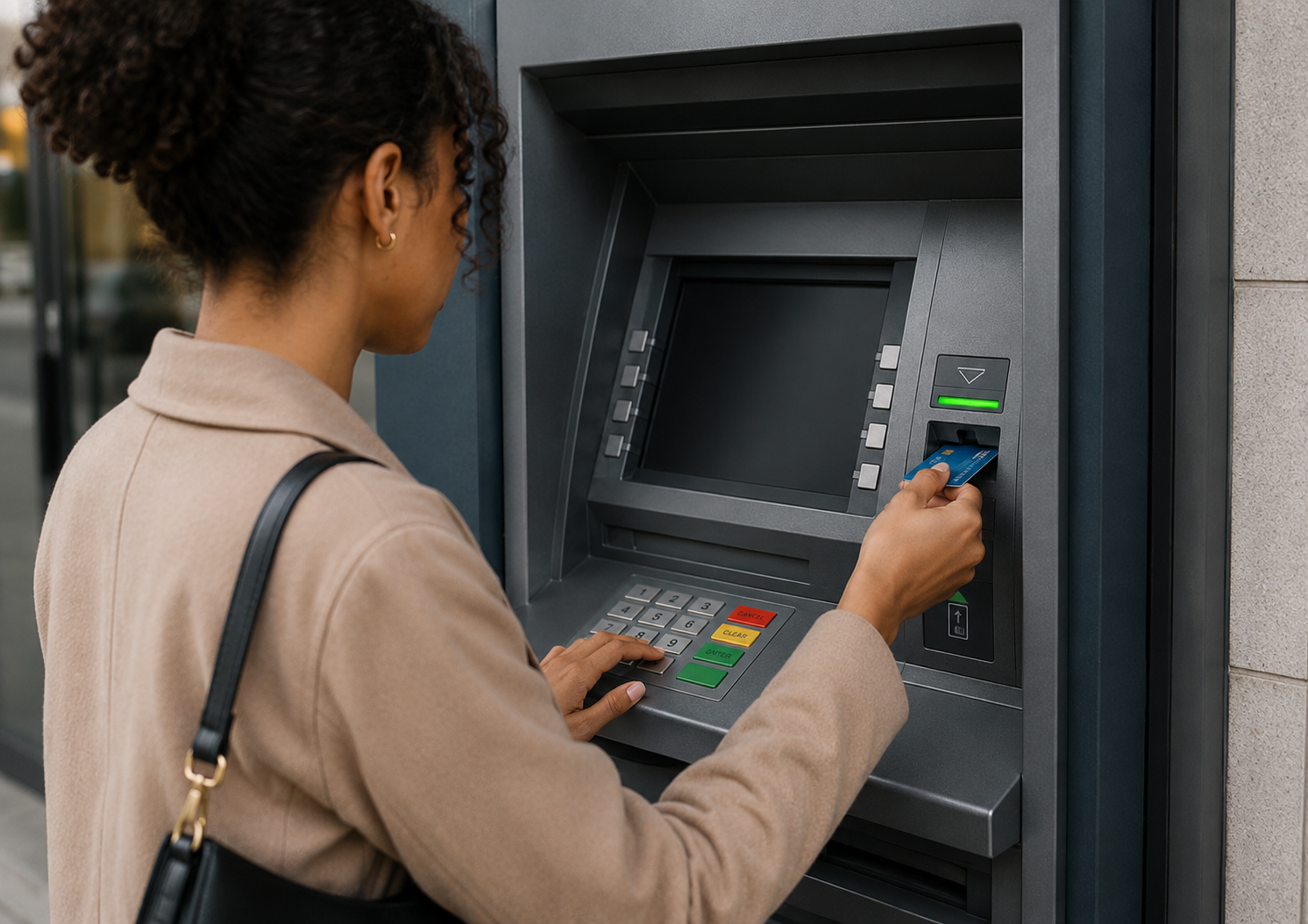
Currently, in our country Ethiopia, the use of cards for purchases, cash withdrawals, and online payments is growing at a rapid pace from time to time. Beyond the expanding types and services of these cards, following directives issued by the National Bank of Ethiopia, other financial and technology institutions—in addition to banks—are now offering cards to customers.
However, even today, many users still do not clearly distinguish the similarities and fundamental differences between Credit, Debit, and Prepaid cards.
The primary reason for this confusion is that the cards look incredibly similar on the surface. Most cards typically feature the following elements:
- Primary Account Number (PAN): The card identification number
- Cardholder’s Name
- Expiry Date
- Logos: The logos of the card issuer and the payment processor (such as Visa or Mastercard)
- Contactless Symbol: The contactless payment icon on newer cards
Although they look identical on the outside, they have fundamental differences in their underlying financial mechanisms. Let’s look at the distinct nature of each card in detail below:
1. Prepaid Card
A prepaid card is a type of card that does not need to be linked to a bank account; instead, money is loaded onto it in advance, and it functions through a digital payment wallet. Because these cards are largely backed by the Visa or Mastercard networks, they can be used internationally beyond just domestic transactions.
The defining characteristic of prepaid cards is that they function “only up to the amount of money loaded onto them.” Once the money runs out, transactions cannot be made until it is reloaded. They are mainly divided into four categories:
- Gift Cards: Given as gifts to family and friends. Once the funds inside are depleted, they generally cannot be reused (non-reloadable).
- Retail and Reward Cards (Retail Prepaid Cards): Prepared by fuel suppliers, airlines, or supermarkets in partnership with banks. They help customers earn reward points, air miles, or discounts when making purchases.
- Travel Cards: Issued to individuals traveling abroad upon verification of their visa and ticket, and loaded with foreign currency. They are used for hospitals, shops, and online payments in the destination country. For example, Bank of Abyssinia’s travel card has a system where it can receive up to $3,000 USD from another party in addition to the initial loaded amount.
- General Purpose Cards: Used for any type of daily expenses and can be filled repeatedly (reloadable) when the money runs out. These cards are highly useful for budgeting; because you cannot spend beyond the loaded amount, they prevent overspending.
2. Debit Card
A debit card is mostly linked directly to your personal savings or checking bank account. This card allows you to easily withdraw, spend, and make payments using your own money that is available in your account.
Under the current reality, you cannot spend more than the money available in your account with a debit card. However, as banking systems evolve in the future, some debit cards may be linked with an “overdraft” service, establishing a system where you can temporarily use a certain amount of additional money from the bank even if your own funds run out.
3. Credit Card
In short, a credit card is a loan card where you “buy now and pay later.” Even if you do not have money in your account, you can make various transactions up to the credit limit approved for you by the bank.
- The Advantage: If you use a credit card responsibly and pay your monthly bill on time, it helps you build your credit history (Credit Score). This opens the door to obtaining larger loans from banks in the future.
- The Downside: Using the card irresponsibly and spending beyond your means can lead to accumulated debt, additional interest, and ultimately a severe financial crisis (Debt Trap).
Summary
Bank cards play a major role in simplifying our daily financial activities. In addition to the fundamental differences mentioned above, card-issuing institutions offer cards divided into tiers (Standard, Gold, Platinum, Premium, etc.) based on their customers’ needs and capacity. The differences between these tiers rely on the transaction limits, additional benefits, and service fees associated with the cards. Therefore, when choosing a card, it is wise to carefully consider your own financial needs and the nature of the card.