
How is interest calculated in Ethiopia?

Knowing how interest is calculated helps you decide which bank serves you best and makes your financial management smarter. Visit your local bank today to ask about their latest interest rates!
How to Link Your TIN Number with Your Fayda Digital ID
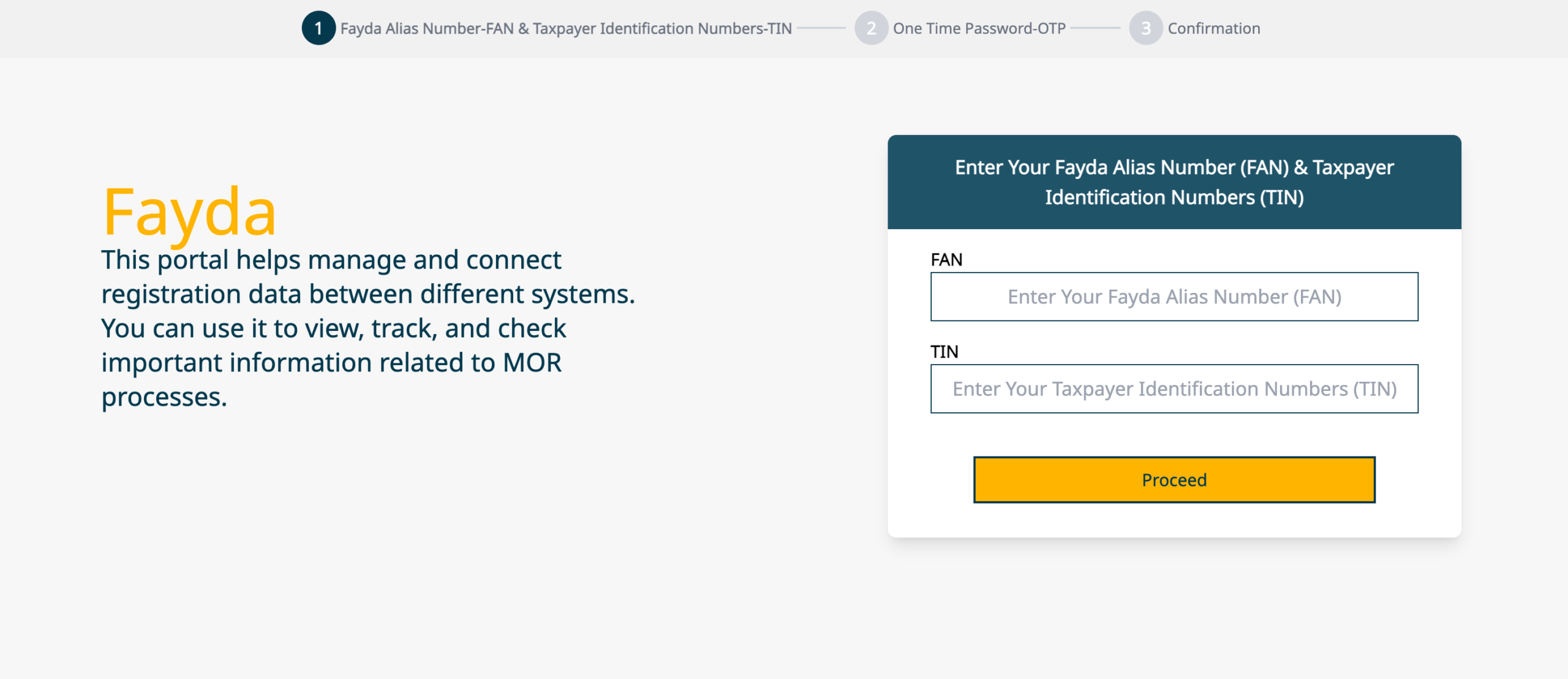
To make government services more efficient and ensure accurate identity verification, taxpayers are required to link their 10-digit Taxpayer Identification Number (TIN) with their Fayda Digital ID. How can you link your ID? Where can you find your Fayda Access Number (FAN)? If you do not have your Fayda Access Number (FAN) nearby, you can find it through the following ways:
Fundamental Differences Between Bank Cards
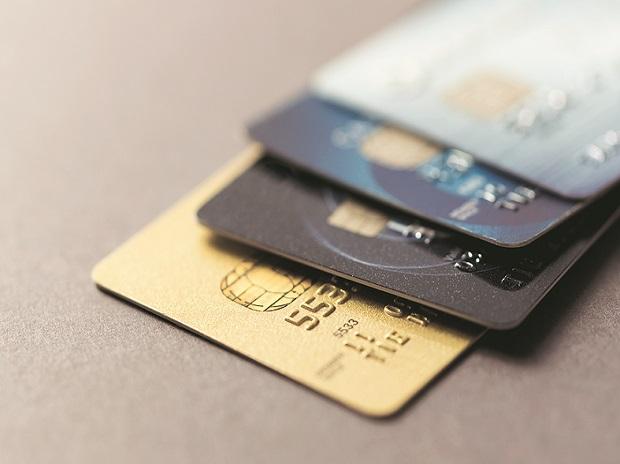
Currently, in our country Ethiopia, the use of cards for purchases, cash withdrawals, and online payments is growing at a rapid pace from time to time. Beyond the expanding types and services of these cards, following directives issued by the National Bank of Ethiopia, other financial and technology institutions—in addition to banks—are now offering cards to customers. However, even today, many users still do not clearly distinguish the similarities and fundamental differences between Credit, Debit, and Prepaid cards. The primary reason for this confusion is that the cards look incredibly similar on the surface. Most cards typically feature the following elements: Although they look identical on the outside, they have fundamental differences in their underlying financial mechanisms. Let’s look at the distinct nature of each card in detail below: 1. Prepaid Card A prepaid card is a type of card that does not need to be linked to a bank account; instead, money is loaded onto it in advance, and it functions through a digital payment wallet. Because these cards are largely backed by the Visa or Mastercard networks, they can be used internationally beyond just domestic transactions. The defining characteristic of prepaid cards is that they function “only up to the amount of money loaded onto them.” Once the money runs out, transactions cannot be made until it is reloaded. They are mainly divided into four categories: 2. Debit Card A debit card is mostly linked directly to your personal savings or checking bank account. This card allows you to easily withdraw, spend, and make payments using your own money that is available in your account. Under the current reality, you cannot spend more than the money available in your account with a debit card. However, as banking systems evolve in the future, some debit cards may be linked with an “overdraft” service, establishing a system where you can temporarily use a certain amount of additional money from the bank even if your own funds run out. 3. Credit Card In short, a credit card is a loan card where you “buy now and pay later.” Even if you do not have money in your account, you can make various transactions up to the credit limit approved for you by the bank. Summary Bank cards play a major role in simplifying our daily financial activities. In addition to the fundamental differences mentioned above, card-issuing institutions offer cards divided into tiers (Standard, Gold, Platinum, Premium, etc.) based on their customers’ needs and capacity. The differences between these tiers rely on the transaction limits, additional benefits, and service fees associated with the cards. Therefore, when choosing a card, it is wise to carefully consider your own financial needs and the nature of the card.
Understanding Interest Rates and Savings

Interest rate can be thought of as the price paid to borrow money or the profit earned for saving money. A savings interest rate is the percentage paid to a bank customer when they deposit their money into a bank account. Types of Deposit Accounts Banks in Ethiopia primarily offer the following types of savings accounts: How is Interest Calculated? Interest calculation methods vary between institutions and depend primarily on the frequency of calculation and the account balance used. Current Market Conditions Previously, the National Bank of Ethiopia had set a minimum interest rate floor of 7%. However, this limit was recently lifted, allowing banks to determine their own interest rates based on market competition. This is a significant shift. Moving forward, interest rates may vary greatly depending on the bank and the type of savings. It is expected that market competition will expand significantly. Pro Tip: Always ask your bank if they calculate interest based on the “Daily Balance” or the “Monthly Minimum Balance.” Daily computation generally yields better returns for you!

Protecting Your WhatsApp from Voicemail Hacking

Recently, a sophisticated hacking technique has been targeting WhatsApp users in Ethiopia. An unknown overseas number calls you, and the goal is to steal your account and message your friends or family for money (often asking for transfers to a bank account). How the Hack Works: The “Busy Line” Trap A scammer attempts to log into your WhatsApp account on their device. Then they call your phone at the exact same time WhatsApp tries to send you an automated verification code (OTP) via a voice call. Because your line is busy (due to the scammer’s call), WhatsApp’s automated system leaves the 6-digit code in your voicemail. Most people use a default or simple PIN for their voicemail. The scammer accesses your voicemail remotely, listens to the code, and takes over your account. How to Prevent This 1. Secure Your Voicemail Scammers rely on your voicemail being easy to break into. Change the Default PIN: Dial your voicemail service 824 and navigate the settings to change your password. Avoid Defaults: Do not use simple codes like 1234, 0000, your phone digits, or anything that could be easily predictable. 2. Enable Two-Step Verification (2SV) This is your strongest defense. Even if a hacker gets your OTP code, they cannot log in without your secret 6-digit PIN. Go to Settings > Account > Two-step verification > Turn On. Create a PIN you will remember and add a recovery email. You will receive a verification code in your email. This step is critical to prevent hacking in general. 3. Be Wary of Unknown Calls If you receive an unexpected call from a strange or overseas number at the same time you receive a WhatsApp notification about a “login code,” do not answer it. But also, do not keep the line busy. Diligently watch out for strange numbers you don’t recognize. If you suspect an attack, immediately open WhatsApp and check if you are still logged in. What to Do If You Are Hacked If you lose access to your account and see messages like the one below being sent in your name: “Please can you help me make an instant transfer of a certain amount of Birr to someone for me, it’s an emergency… [Bank Details]” Alert Your Contacts: Immediately use SMS, Telegram, or phone calls to tell your family and friends that your WhatsApp has been hacked and not to send money. Re-register Immediately: Open WhatsApp on your phone and enter your number to log back in. This will kick the hacker out once you enter the new SMS code you receive. Notify Authorities: Report the fraudulent bank account to the bank and local authorities to help freeze the scammer’s funds. Although banks and authorities may often be reluctant to address such issues, do your best to do your part.