
What is ATM Card Fraud?
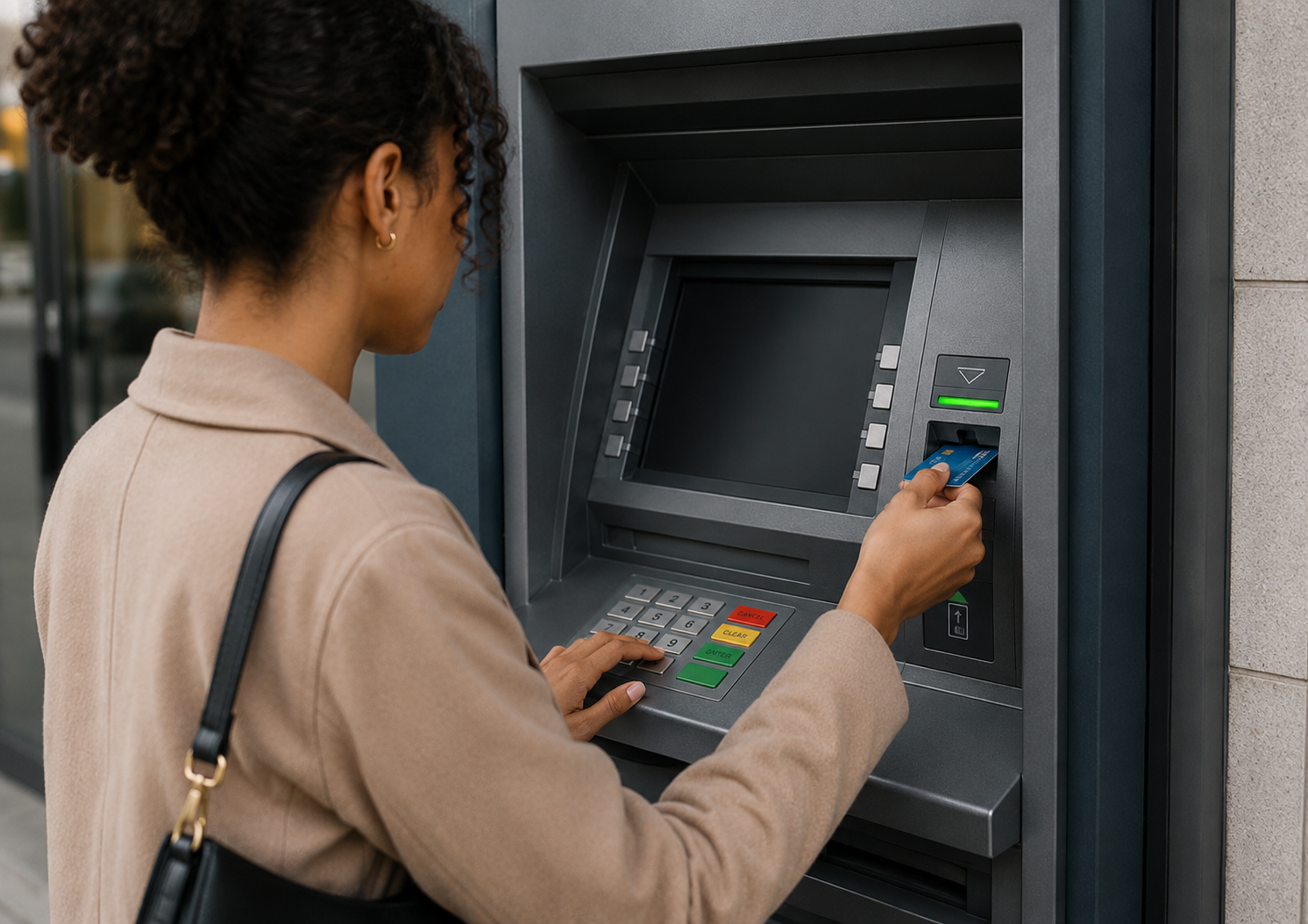
Debit and credit cards, commonly referred to as ATM cards, have made our lives significantly easier by removing the need to carry large amounts of cash in our pockets. However, if we do not handle these cards with care or if our secret PIN falls into the hands of thieves, they can empty our bank accounts in just a few minutes. This danger is known as Card Fraud. This crime is mostly committed when our card is lost or stolen, especially when we keep the secret PIN together with the card, allowing a thief to easily access it. Additionally, thieves may secretly observe our PIN, quickly steal the card, and withdraw money before we can call the bank to block it. How Do Scammers Commit This Crime? Warning Signs to Look Out For How to Protect Ourselves
E-Commerce in Ethiopia: A Way to Take Your Business and Shopping to the Next Level
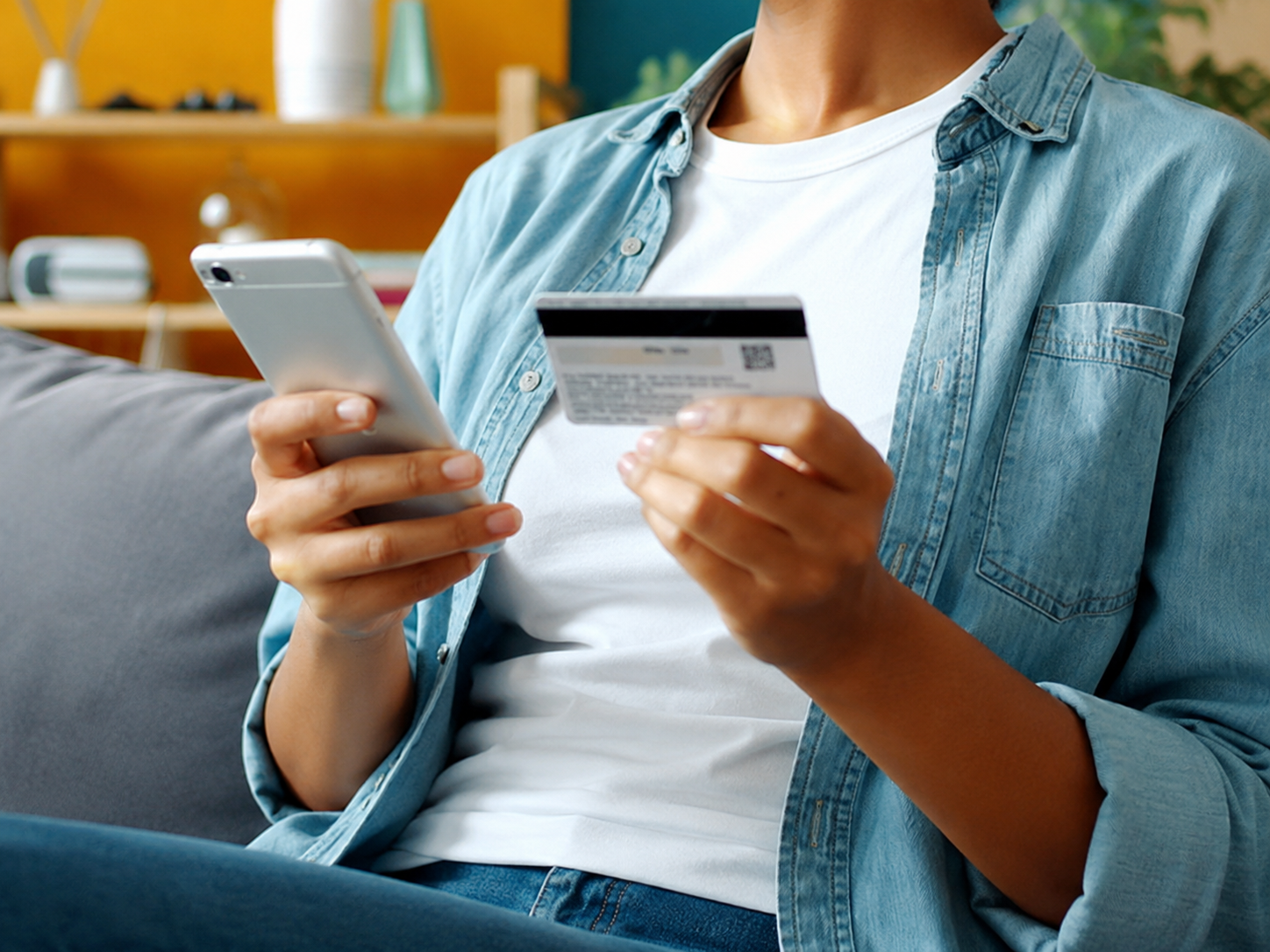
A few years ago, meeting in person and dealing with cash was the only option for buying or selling goods. Today, however, the world has changed. By utilizing the internet, E-commerce has narrowed the distance between suppliers and customers, making transactions fast, simple, and efficient. E-commerce extends far beyond merely viewing products on social media. In addition to simplifying the daily lives of individuals, this approach is creating new market opportunities for businesses. 1. E-Commerce Models: Who Trades with Whom? E-commerce can be categorized into various types based on the nature of the participants: 2. 5 Essential Factors for a Successful E-Commerce Platform To earn customer trust and remain sustainable, an e-commerce platform must fulfill the following fundamentals: 3. The Engine Behind the Scenes: The Crucial Role of Financial Institutions E-commerce is unimaginable without a reliable financial system. Banks play three key roles in bringing this ecosystem to life: A. Serving as a Payment Transfer Bridge Since there is no in-person contact during e-commerce, payments are made through digital methods. Digital wallets and QR code payment systems have significantly streamlined transactions, enabling customers to complete contactless payments within seconds. B. Ensuring Financial Security Given the large volume of money moving daily, security is a necessity rather than a luxury. Modern banking applications utilize complex encryption methods, such as Two-Factor Authentication (2FA), to safeguard customers’ financial data from cyber fraudsters. C. “Buy Now, Pay Later” (BNPL) and Instant Micro-Loans Another revolution in e-commerce is ensuring that financial limitations do not become an obstacle. For instance, customers using certain apps can access instant micro-loans of up to 100,000 (One Hundred Thousand) Birr based on their credit repayment history. This allows users to make necessary purchases without disruption while stimulating business activity. 4. Security and Trust Reliability E-commerce is a secure and highly reliable process; however, this is ensured only when customers transact through verified platforms supported by the banking system. 💡 Benefits and Discounts: While customers often worry about additional service fees, most banks significantly lower their charges to encourage growth in this sector. In fact, when shopping through certain apps, users can gain extra benefits through discounts or cash-backs at selected merchants.
ATM and Debit/Credit Card Fraud
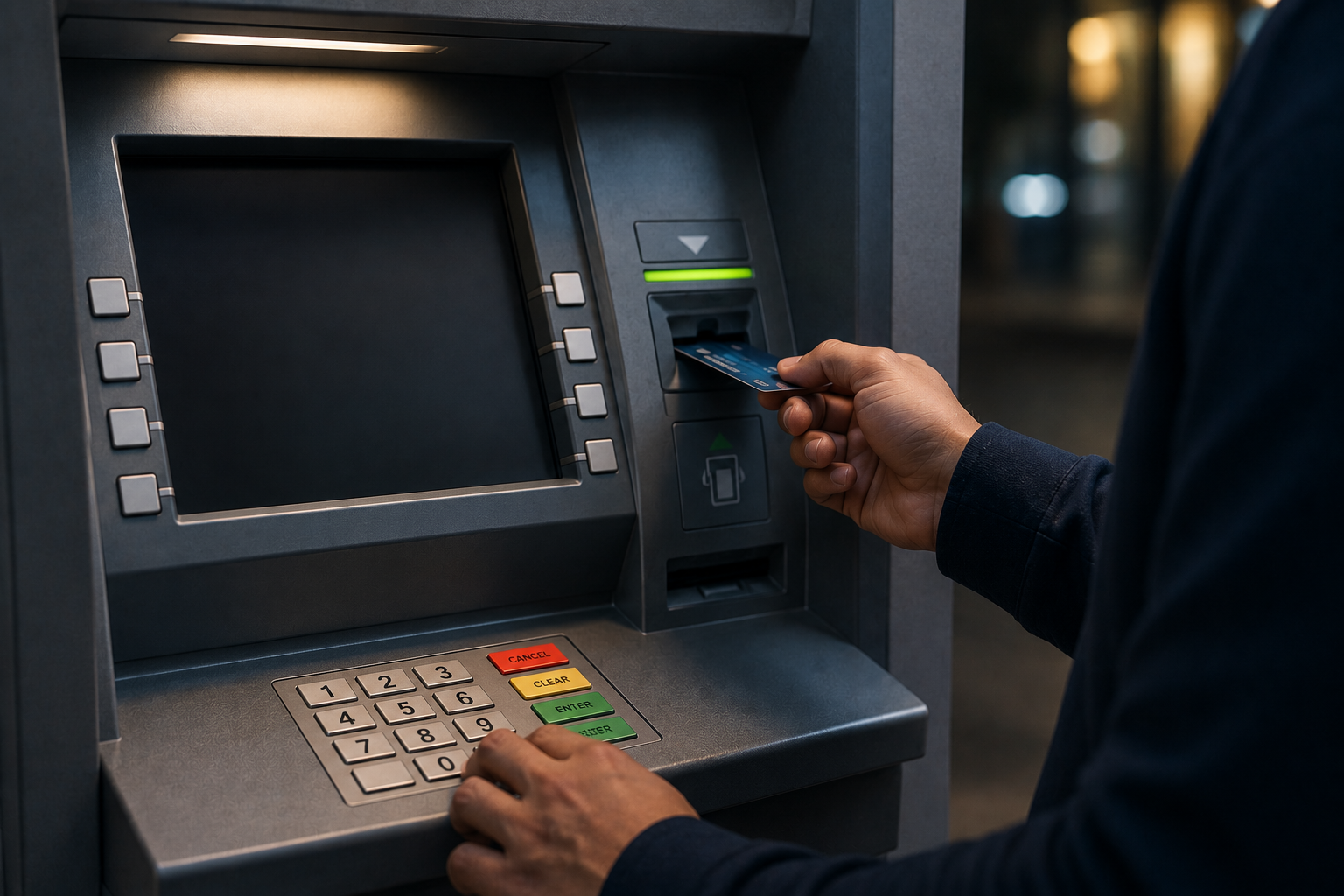
ATM, debit, and credit cards have greatly simplified our lives by removing the need to carry large amounts of cash in our pockets. However, if we do not handle these cards with care or if our secret PIN falls into the hands of thieves, they can empty our bank accounts in just a few minutes. This threat is known as Card Fraud. This crime is mostly committed when our card is lost or stolen, especially when we keep the secret PIN together with the card, allowing the thief to easily find it. Additionally, thieves may secretly observe our PIN, quickly steal the card, and withdraw money rapidly before we can call the bank to block it. How Do Scammers Commit This Crime? Warning Signs to Look Out For How to Protect Ourselves
Social Media Account Hacking Scams
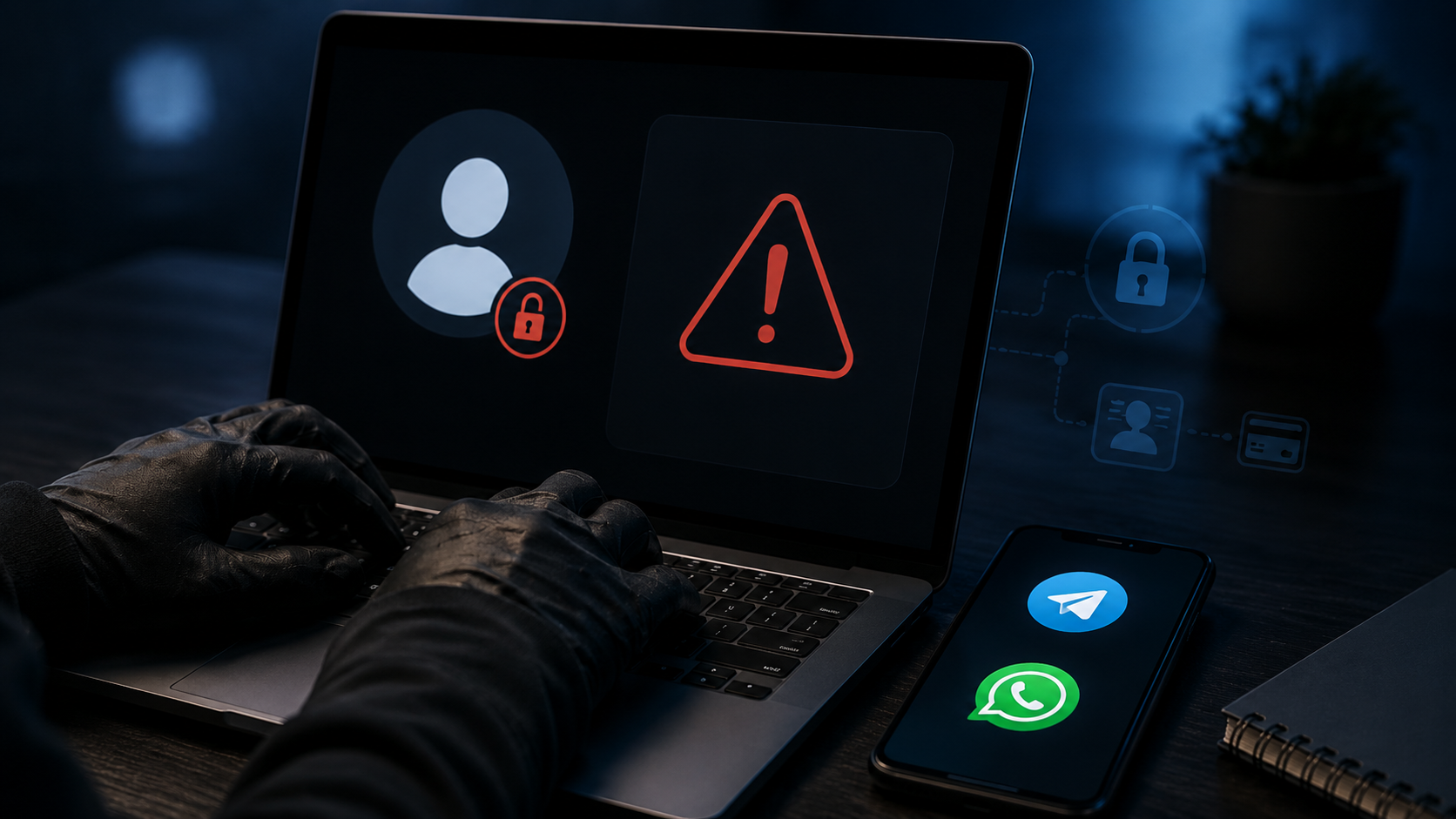
Telegram, WhatsApp, and Facebook are central parts of our daily lives and business operations. However, scammers are increasingly using these apps to impersonate our close friends and family members to steal money. In English, this type of fraud is referred to as “Hacked Account” or “Social Media Account Takeover.” Let’s look at how this scam works, the warning signs, and how we can protect ourselves in simple terms. What is this scam, and how is it executed? After scammers steal people’s social media accounts through various methods, they send messages to friends and relatives in their contact lists under the victim’s name. The process unfolds as follows: Warning Signs to Look Out For When a close friend or relative asks for money via instant messaging (chat), be suspicious immediately if you notice the following: How to Protect Ourselves
Identity and Bank Account Takeover
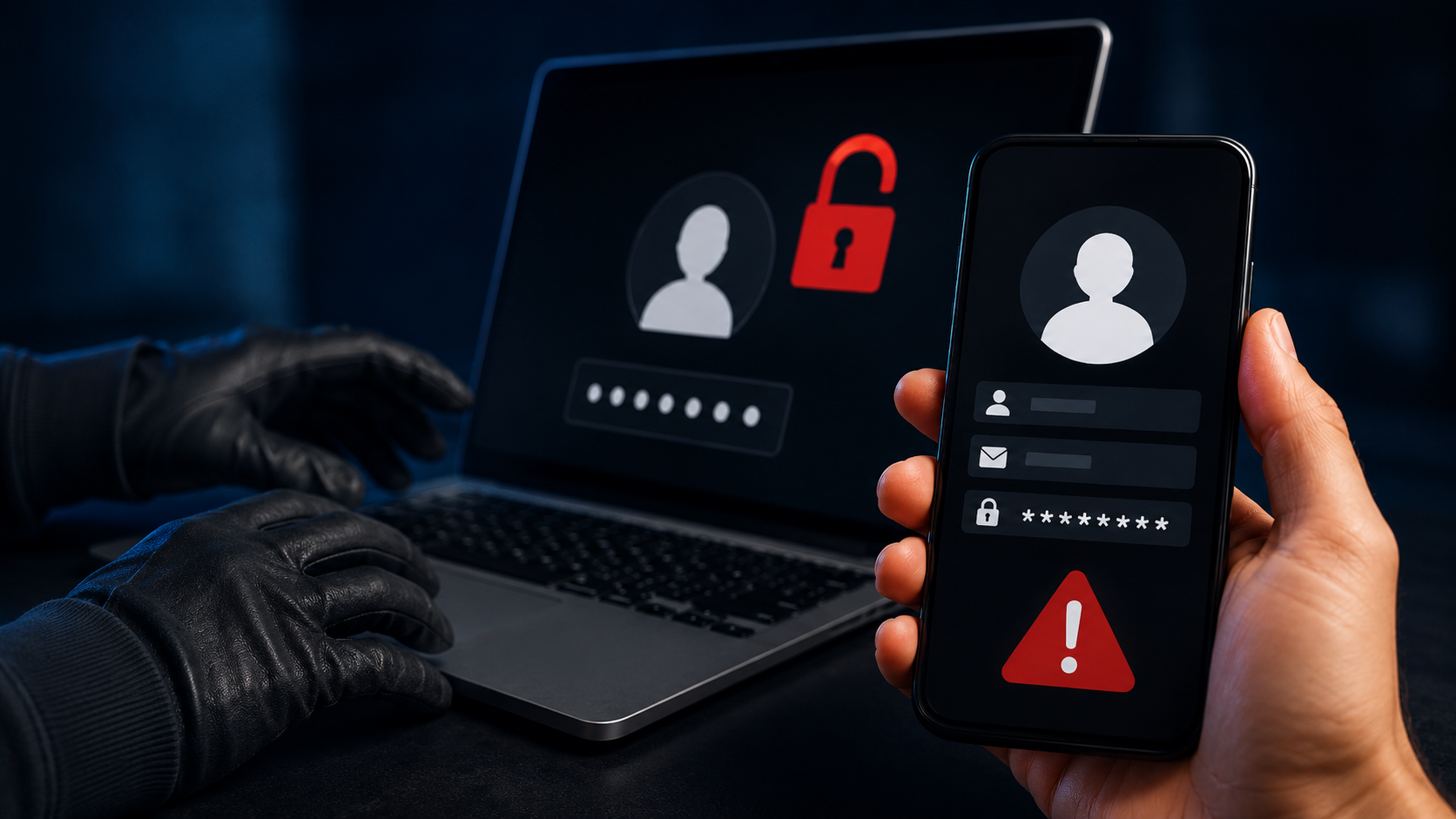
In the world of technology, one of the most frightening forms of fraud is when a thief completely assumes your identity to conduct transactions. In financial terms, this is known as an “Account or Identity Takeover.” Although this type of robbery is currently not very common in our country, it is critical to protect ourselves now, as it is bound to expand as our financial sector becomes more complex and interconnected. During this type of fraud, the scammer hacks into your mobile or internet banking application, transfers your phone number to a new SIM card, or uses your identity documents (such as an ID card) to open and operate a bank account without your knowledge. In short, the thief poses as you. How is this scam executed? Scammers typically use the following 4 main steps to commit this crime: Warning Signs to Look Out For If you experience any of these unusual occurrences, realize quickly that your identity or account may be in danger of being compromised: How to Protect Ourselves
The Fake Money Transfer Scam
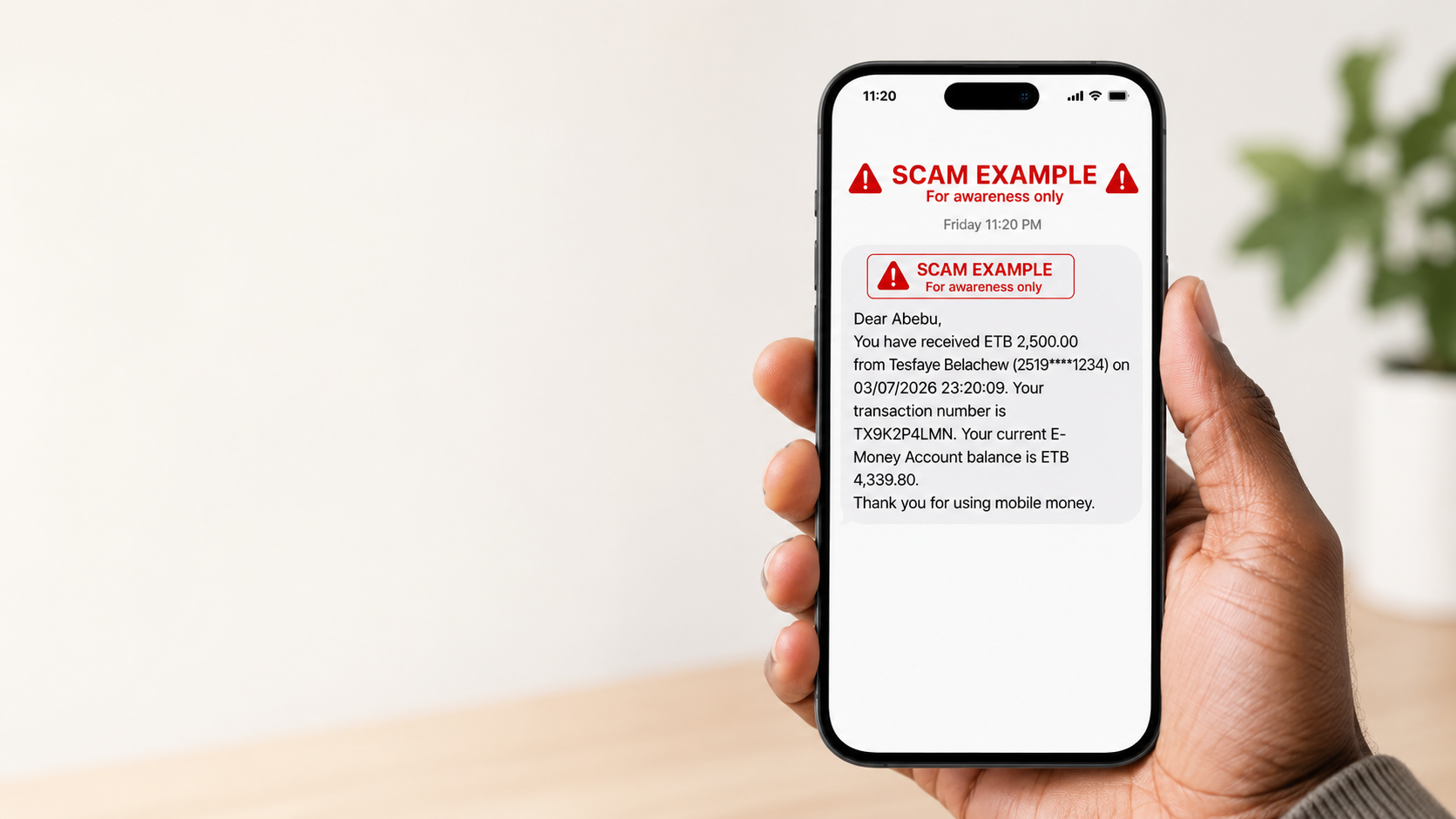
Every day, millions of people use mobile banking and digital money transfer services. Following this trend, fraudsters are increasingly exploiting people’s kindness through a method where they claim, “I accidentally sent you money or airtime by mistake, please send it back,” to steal their money. What is this scam, and how is it executed? It is a method where a scammer begs you by pretending they sent you money or mobile airtime by mistake, tricking you into sending them your own money. The process is carried out as follows: Warning Signs to Look Out For When someone claims they have made an accidental transfer to your account, look out for the following red flags: How to Protect Ourselves?
How to Open a Brokerage Account (Investment Account)

When you are looking to enter the world of investing and purchase financial instruments like shares, bonds, and treasury bills, the very first thing you need is a Brokerage Account. This account is different from the regular bank account we use daily. While a standard bank account is only used to deposit and transfer cash, a brokerage account is an investment account that opens the door for you to own company shares or various financial assets by participating in our country’s newly launched capital market. Why Do We Need a Licensed Broker? An individual cannot simply walk into the market on their own to buy or sell shares. To do this, we need legally recognized and licensed market intermediaries known as Brokers. A licensed broker will assist you with the following: Required Documents to Open an Account To open an account for individual investors, the following documents are typically required: 5 Simple Steps to Open an Account 1. Choosing a Licensed Broker First, select a broker that is recognized and licensed by the country’s financial regulatory authority. When choosing a broker, it is worth comparing: 2. Filling Out the Form and Applying Complete the selected broker’s account opening form—either in person or online if available—and attach your documents. Once the broker verifies your identity and legal status, they will open your account. 3. Funding Your Account As soon as the account opening is confirmed, transfer the money you intend to use for buying shares from your regular bank account into your new brokerage account via bank transfer. 4. Placing Your First Market Order When you want to trade in the market, you can issue instructions to your broker to: Always double-check the price, total payment amount, and service fees before submitting your order. 5. Monitoring Your Investments Your broker should provide you with a statement showing your asset balance periodically or whenever you request it. This statement will clearly display which shares you hold, your remaining cash balance, executed transactions, and the current total value of your portfolio. Crucial Questions to Ask Your Broker Before opening an account, make sure you ask and understand the answers to these questions: What You Need to Know Before Investing: Opening a brokerage account opens the door to the market, but it does not eliminate investment risk. Before buying any share or bond, you must thoroughly study what you are investing in, how profits are generated, what the risks are, and how easy it is to resell the shares if necessary.
How Does Insurance Differ from Traditional Mutual Aid Associations
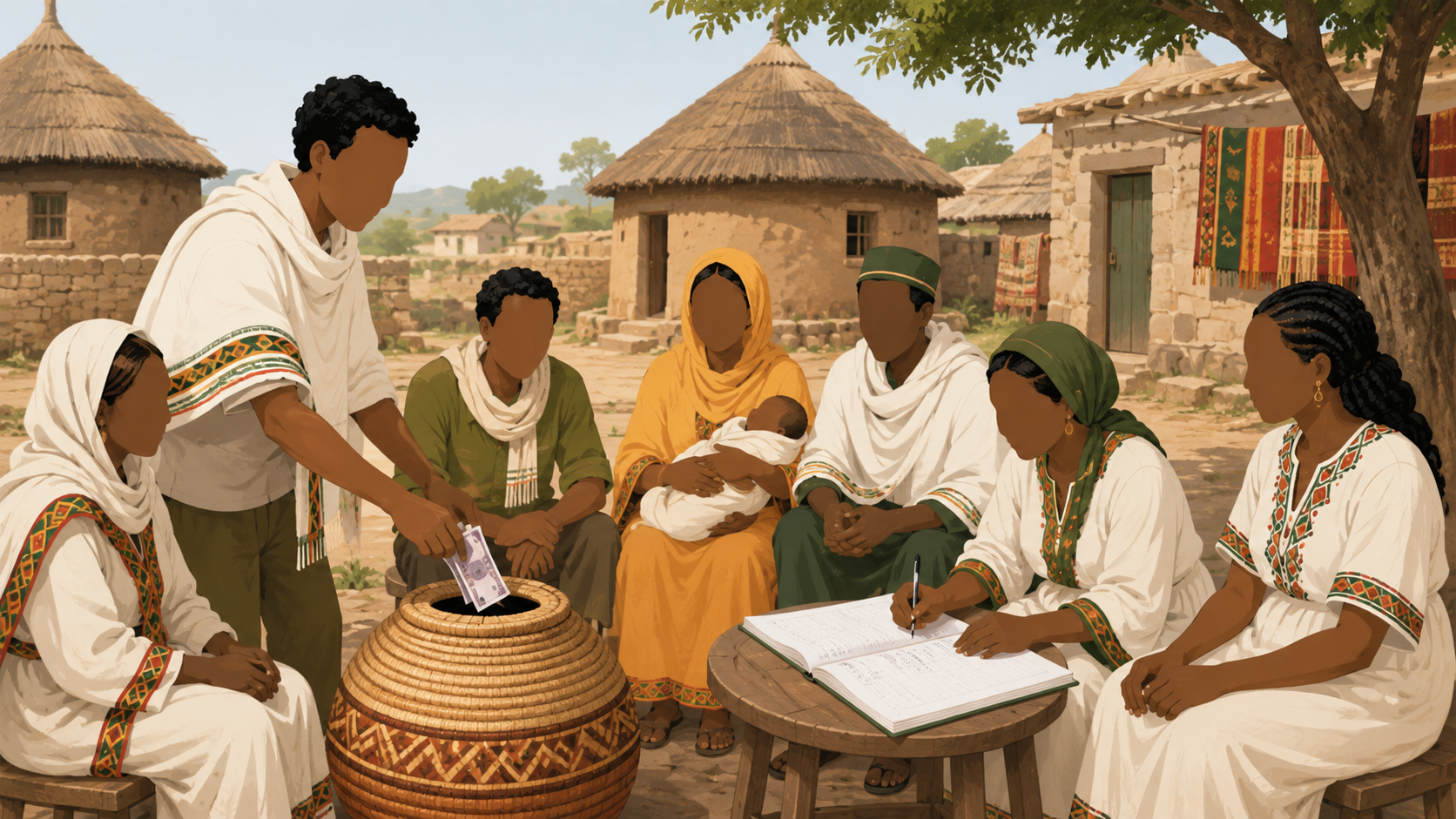
In Ethiopian social life, traditional associations like Iddir and Equb have played a major role for centuries by serving as mutual support systems during times of both hardship and joy. As our country expands its modern financial system, it is crucial to understand how “insurance” differs from these traditional methods and why we need it as an additional layer of security. Key Differences Between Iddir and Insurance Although both systems operate on the principle of contributing money today to help one another when disaster strikes tomorrow, they differ clearly in how they function and the level of protection they provide: Feature Traditional Mutual Aid (Iddir) Modern Insurance Nature of the Institution A structure based on social networking and voluntary community participation. A formal commercial institution that is legally licensed and regulated by law. Contractual Agreement Trust is built on social credit, spoken word, or informal internal bylaws. Backed by a legally binding written contract (Policy) that can be enforced in a court of law. Scope of Coverage The financial support provided is small and fixed (flat-rate). Offers a standardized compensation payout that can be very high, depending on the value of the asset or the scale of the damage. Covered Risks Primarily focuses on funeral expenses and the loss of a loved one (bereavement). Widely covers numerous types of damages such as drought, crop failure, livestock death, theft, fire, and medical expenses. Financial Reliability If disaster strikes many members simultaneously (e.g., an epidemic), the Iddir may collapse due to a lack of funds. They maintain massive financial reserves and back themselves globally through Reinsurance, preventing them from running out of funds. Why Iddir Alone May Not Be Enough Consider these examples: Modern insurance, however, is a system specifically designed to identify and guarantee protection against these severe livelihood risks. Conclusion: Blending Both Systems Getting insurance does not mean leaving your Iddir. Iddir will always remain essential for maintaining our social bonds and cultural values. However, when major and unexpected economic losses strike, utilizing insurance as a modern shield is the smartest way to reliably protect yourself, your family, and your property.
What is Insurance?
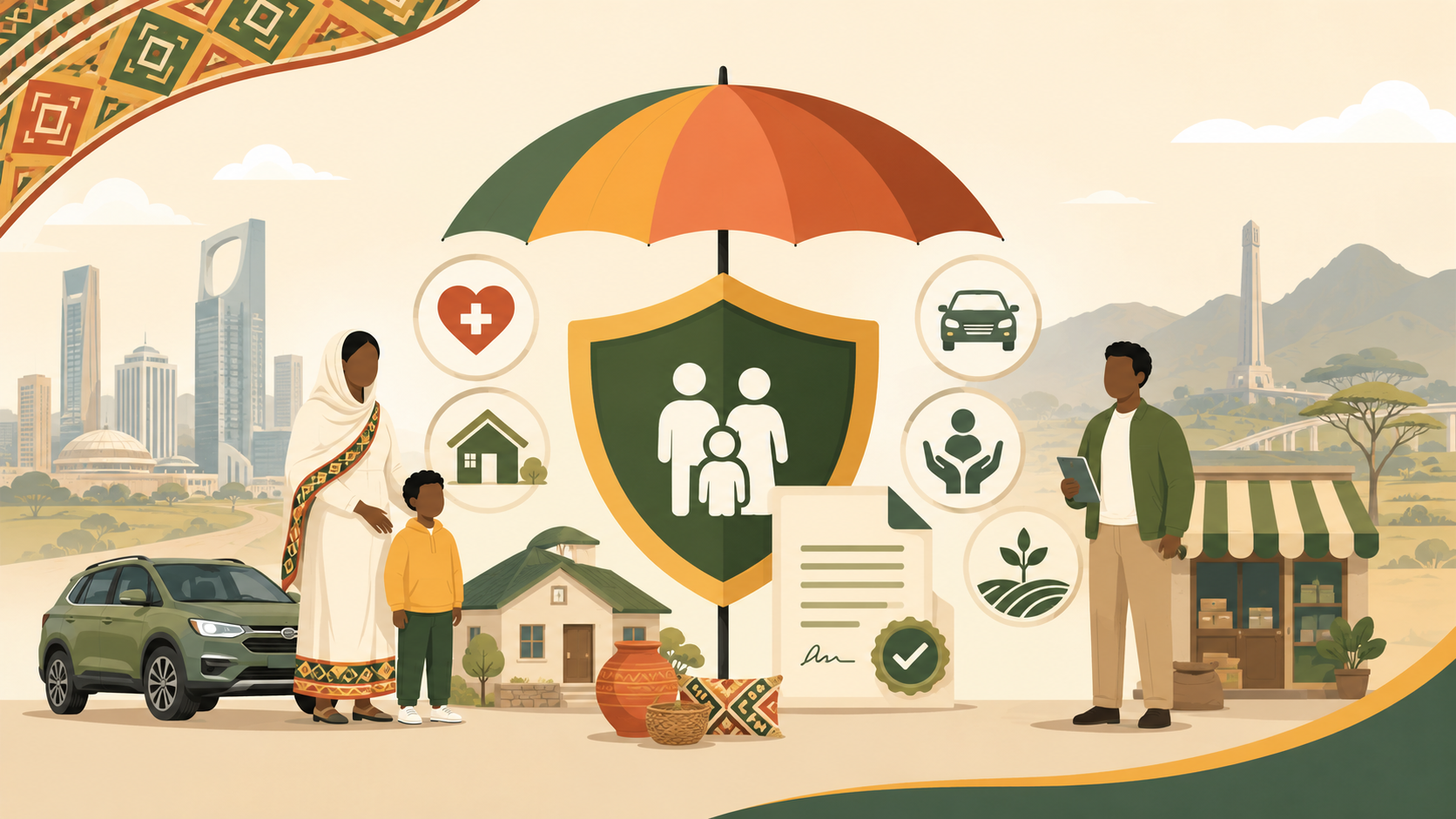
In short, insurance means a “financial shield and protective guarantee for times of crisis.” It is a modern method that helps ensure we do not carry the massive financial burden alone when sudden, severe risks occur in our lives (such as illness, fire, theft, drought, or crop damage). How Does the Basic Concept of Insurance Relate to “Iddir”? The concept of insurance is very similar to Iddir (a traditional Ethiopian community insurance/burial society). In an Iddir, all members contribute a small amount of money regularly; then, when a member faces a crisis, they receive assistance from the collected communal fund. Similarly, insurance is a protective mechanism that operates through a shared pool of contributions from many people (Risk Pool). Main Difference to Note: Traditional mutual aid associations (like Iddir and Equb) operate on voluntary contributions and social trust among members. On the other hand, insurance companies are formal, legally regulated commercial institutions that provide legally binding contracts and standardized coverages. How Does Insurance Work? (3 Simple Steps) Examples Does Insurance Cover Everything? Insurance does not cover all possible protection gaps and risks. This is because covering every single risk would make the premium (contribution) payments unaffordable. Additionally, pre-existing conditions, excessively expensive risks, or intentional damages are not covered by insurance. Why Do We Need Insurance?